
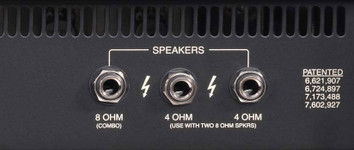
Speaker cabinet impedance, and how to properly connect your cabinet to your amplifier is one of the least understood parts of guitar rigs. It is also one of the most important factors in dialing in your tone, maximizing your performance, and protecting your boutique amplifier from costly hardware failures.
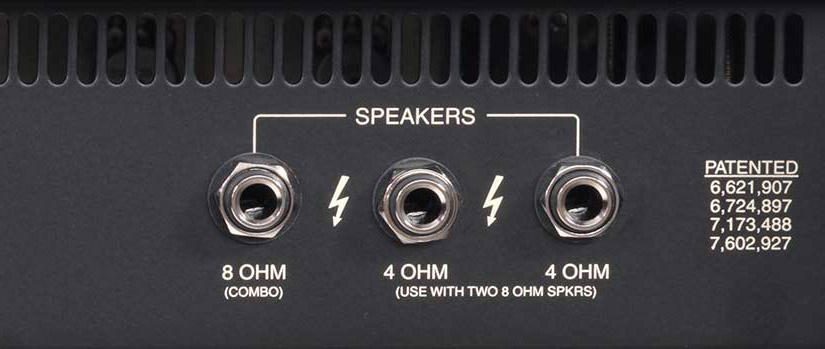
Understanding Speaker Cabinet and Impedance Basics
1. Cabinets Have Impedance, Amps Don't
In short, impedance is the measure of electrical resistance a speaker (or a multi-speaker cabinet configuration) provides to an amplifier. Think of it as the load your amp has to drive: the amplifier "pushes" the voltage to the cabinet, and the higher the impedance rating, the harder it is for the amp to push that signal through.
2. ALWAYS Use a Speaker Cable Between Your Head and Cabinet
This sounds simple, but using the wrong cable is one of the most common and expensive mistakes guitarists make. There is a massive structural difference in how these cables are engineered:
- Speaker Cables: Built with heavy-gauge, unshielded wire designed to safely transfer high-powered voltage from an amplifier's output transformer without bottlenecking.
- Instrument Cables: Built with thin, shielded wire engineered purely for low-voltage guitar signals.
Accidentally plugging your guitar into your pedalboard with a speaker cable won't damage anything, though it will hum loudly due to the lack of shielding. However, accidentally using an instrument cable between your tube amp and cabinet will choke the output section, melt the cable's internal shielding, and cause a catastrophic short circuit that can instantly blow your amp's output transformer.
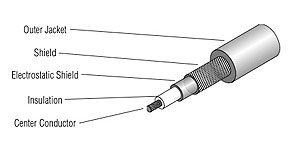
Guitar Instrument Cable (Shielded/Thin Gauge)
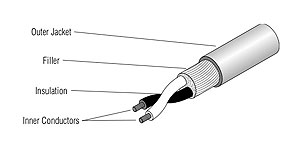
Speaker Cable (Unshielded/Thick Gauge)
Sanctuary Expert Note: Don't risk your rig. Protect your investment with high-quality, touring-grade guitar components from our curated collection of Premium Speaker Cables.
3. Matching Ohms: Connecting Your Amp and Cabinet Properly
To safely pair your amplifier with a cabinet, find the listed impedance output on the back of your speaker cabinet—typically labeled as 16, 8, or 4 ohms. Next, connect your heavy-duty speaker cable to the corresponding jack on your amplifier head. Some modern amps feature multiple independent output jacks, while others utilize a single pair of jacks paired with an impedance selector switch or rotatable dial. Always verify these settings match exactly before powering up.
4. Calculating Parallel Speaker Loads (Multi-Cabinet Rigs)
When running two speaker cabinets simultaneously from a single amplifier head, you are almost always wiring them in a parallel circuit. This is done either by utilizing two independent speaker output jacks on the back of the amp, or by chaining out of the "Parallel Out" jack found on the back of many premium speaker enclosures.
Running two cabinets in parallel drops the overall impedance load. Because the signal now has two paths to travel, it makes it twice as easy for the amplifier to push voltage. When pairing identical cabinets, the total resistance is cut precisely in half:
- Chaining two 16-ohm cabinets (such as a classic Marshall full stack) yields a total safe load of 8 ohms.
- Chaining two 8-ohm cabinets (the standard configuration for a Mesa Boogie Cabinet) yields a total safe load of 4 ohms.
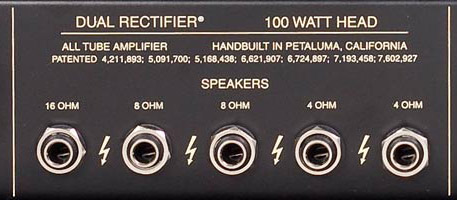
For example, with a standard dual-cabinet Mesa Boogie rig, you will unplug the cabinets from the amplifier's single 8-ohm jack and reconnect them into the dual 4-ohm output jacks to match the updated circuit resistance properly.
5. Does Impedance Affect Guitar Tone?
Depending on the internal design of your amplifier, the total impedance can noticeably shift your overall frequency response and touch dynamics. The severity of this shift relies entirely on the era of your amp and the engineering of its output transformer:
- Modern Amplifiers: Most contemporary amps use high-performance tapping transformers designed to deliver uniform output and consistent tone across 4, 8, or 16-ohm settings.
- Vintage Amplifiers: Classic vintage circuits are highly sensitive to impedance changes. Running a higher impedance load forces the transformer to work significantly harder, lowering your overall clean headroom and causing an earlier onset of rich, power-tube distortion.
6. Observe the Minimum Listed Impedance Threshold
Never connect a speaker load that drops below the listed minimum impedance rating of your amplifier. This minimum metric is determined by the maximum electrical tolerances of your amp's internal power components. For standard guitar heads, the lower limit is typically 4 ohms (or 8 ohms on select boutique builds). Bass guitar amplifiers regularly handle down to 4 ohms, with high-headroom touring heads safely dropping down to 2 ohms. Dropping below these numbers overloads the output stage and can melt internal components.
7. Tube Amps Require a Constant Operational Load
Never power on a boutique tube amplifier without a secure operational load attached to its speaker output jacks. Running a tube power section with an open circuit (essentially an infinite ohm resistance bottleneck) causes immediate voltage flyback that will fry your output transformer in seconds.
A safe operational load must be introduced via one of three methods:
- A physical speaker cabinet matched to the correct ohm output.
- A dedicated, high-headroom Reactive Load Box or Speaker Simulator.
- A premium transparent Amplifier Attenuator optimized to safely dial down high-wattage power sections to bedroom volumes.
Safe Setup Rule of Thumb: Always set up your speaker cabinet first, place your amplifier head firmly on top, securely connect your speaker cable, and then plug your amplifier's power cord into the wall outlet. This workflow guarantees your tubes will never experience an unsafe open-circuit state.
Boutique Technical Reference Guides
For deep technical breakdowns regarding impedance calculations, cable engineering, and matching matrix guides, explore these comprehensive resources from our trusted industry partners:
- MESA/Boogie®: Speaker Impedance Matching and Hook-up Configuration Deep Dive
- Premier Guitar Magazine: Does Speaker Impedance Directly Affect Amp Tone?
- Fender Musical Instruments: Why Instrument Cables and Speaker Cables Aren’t Interchangeable

